
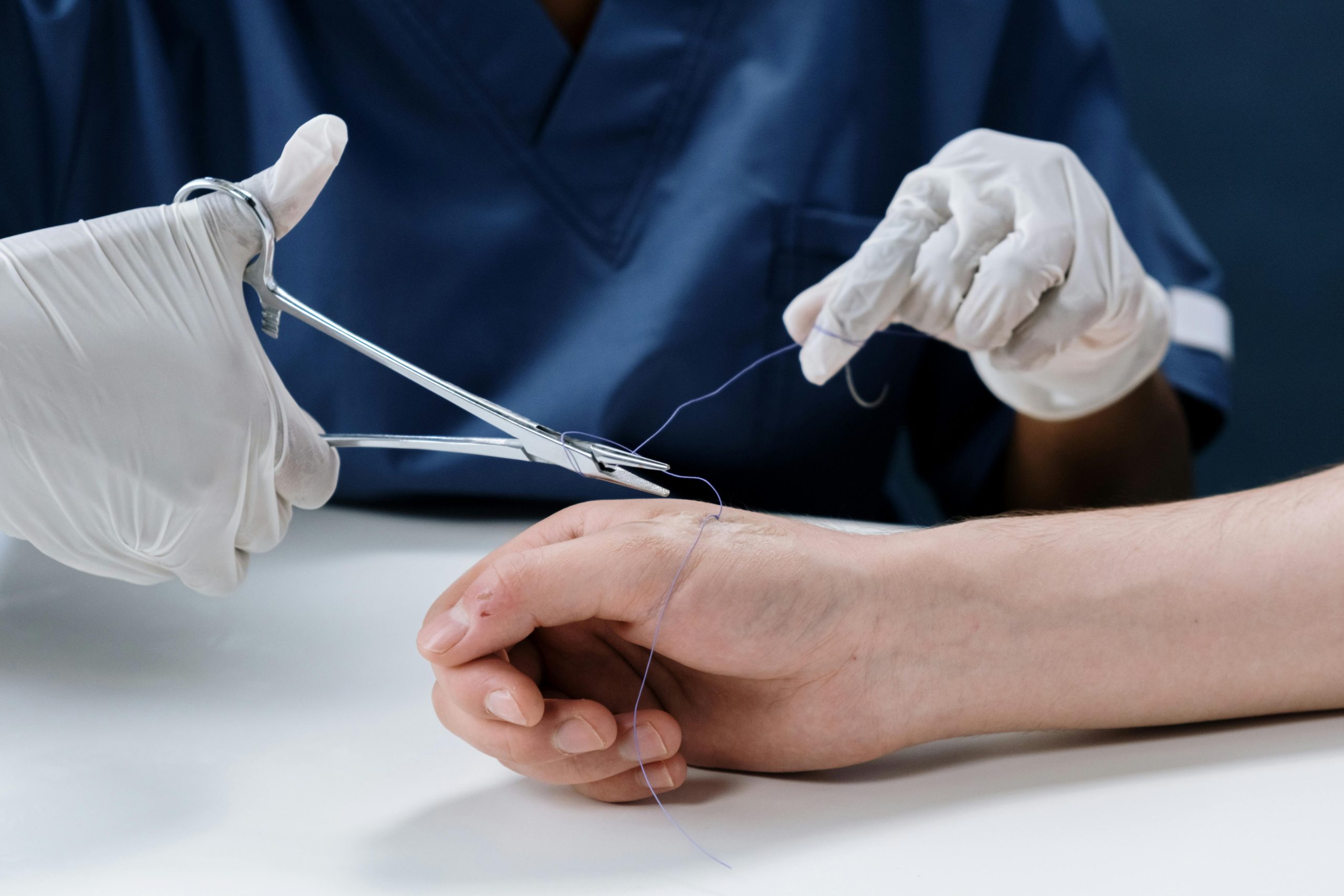
Tips for SLO 6 MRCEM OSCE Station: Provide Safe Procedural Skills
The MRCEM OSCE exam is not only a test of knowledge and communication, but also a practical assessment of procedural skills that are essential in emergency medicine. SLO 6 focuses on your ability to carry out common emergency department procedures safely and effectively. For doctors in emergency medicine training UK, demonstrating competence in procedural skills is vital for both exam success and everyday practice.
Understanding the SLO 6 Procedural Skills Station
The RCEM curriculum identifies a number of procedural skills as core to emergency medicine. In the MRCEM OSCE, SLO 6 stations may include:
◦ Airway management, including basic adjuncts and bag-mask ventilation
◦ Vascular access such as IV cannulation or intraosseous access
◦ Basic and advanced life support skills
◦ Trauma-related procedures such as applying a splint or log roll with c-spine control
◦ Communication of consent and aftercare when performing a procedure
The examiner is looking for technical accuracy, adherence to safety steps, and appropriate communication before, during, and after the procedure.
Common Challenges
Candidates often lose marks in procedural skills stations for predictable reasons:
◦ Failing to explain the procedure clearly and gain consent
◦ Skipping infection control steps such as hand hygiene and PPE
◦ Poor technique leading to unsafe or incomplete procedure demonstration
◦ Not verbalising safety checks or confirmation of success
◦ Forgetting to provide aftercare advice or document the procedure
A Structured Approach
The key to success in procedural skills OSCE stations is to adopt a repeatable framework:
◦ Preparation: Confirm patient identity, explain the procedure, gain consent, gather equipment, and use PPE
◦ Procedure: Demonstrate step-by-step technique with clear verbalisation, maintaining asepsis and safety
◦ Safety checks: Confirm correct placement or effectiveness (e.g. flush cannula, check chest rise with airway adjunct)
◦ Aftercare: Provide patient reassurance, explain what happens next, and advise on complications to watch for
◦ Documentation: State that you would record the procedure in the notes, including indication, technique, and outcome
Communication and Professionalism
Examiners will award marks for clear explanations in plain language, demonstration of empathy, and patient-centred care. Always check understanding, invite questions, and maintain professionalism throughout the station.
Managing Time
Procedural skills must be demonstrated efficiently within the limited timeframe of the MRCEM OSCE exam. Practise procedures step-by-step until you can complete them confidently and fluently, while still explaining your actions to the examiner.
Final Thoughts
The SLO 6 station in the MRCEM OSCE is designed to test practical competence, patient safety, and communication. By using structured frameworks, practising regularly, and applying proven OSCE tips, candidates can approach these stations with confidence.
At Bridge Medical Courses, we provide Emergency medicine training UK that includes hands-on procedural workshops, examiner-led feedback, and realistic OSCE simulations. This ensures you are not only prepared for the exam, but fully equipped to perform essential procedures safely in the emergency department.